1. Bank Flotation Cells
In Bank Cells, a single or multiple probes can be used, depending on the cell configuration
Bank Cells Generally float within a smaller band than other cells, thus a 1 meter probe would in most cases suffice for this application.
2. Tank Flotation Cells
In Tank Cells, a single probe per cell is required
There are various Tank Cells in a flotation circuit, as indicated below, with the commonly used sizes mentioned next to each.
• Primary Rougher Cells - 1.5 – 2 Meter
• Secondary Rougher Cells - 1.5 – 2 Meter
• Cleaner Cells - 1.5 Meter
• Re-Cleaner Cells - 1.5 Meter
• Re-Re Cleaner Cells - 1 – 1.5 Meter
• Scavenger Cells - 1 Meter
3. Flotation Columns
In Flotation Columns, a single probe per column is required
The length of the probe is generally determined by the required measuring range into the column.
Most applications use 2.5 – 3 meter probes
4. Sumps
In Sumps, a single probe per sump is generally required. This may vary from application to application
The length of the probe is generally determined by the required measuring range into the Sump.
Most applications use 2.5 – 3 meter probes
5. Installation Key Points for LTM-2 Probe for Mines
Please follow the following Installation Key Points for the LTM-2 probe for Mines, to ensure that the LTM-2 Probe will provide good and reliable performance.
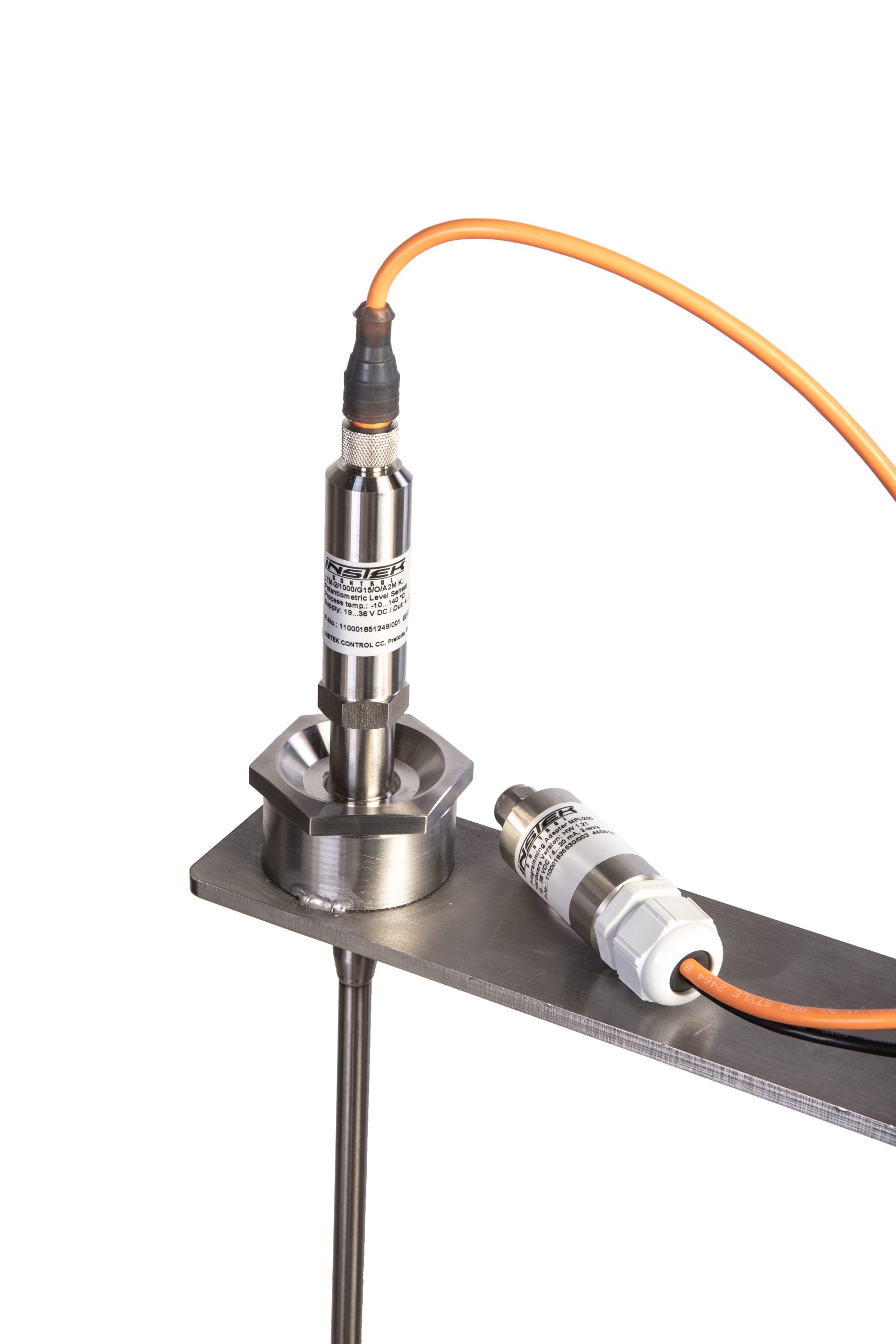
A single LTM-2 Probe can be installed per column. The LTM-2 probe sends a pulp level signal that is utilized by the flotation cell level control system to maintain pulp level depth at setpoint.
Actual Pulp level measurement is in the set range below the froth lip height. At the bottom of the bracket is a 40mm polypropylene bushing to hold the bottom end of the probe steady as well as electronically isolate the probe from the metal bracket. In cases where probes over 2 meters in length are utilized a stabiliser may be used at around 1.5 meters. There is no level measurement in the bushing. Therefore, actual maximum possible length is actual probe length – 40mm.
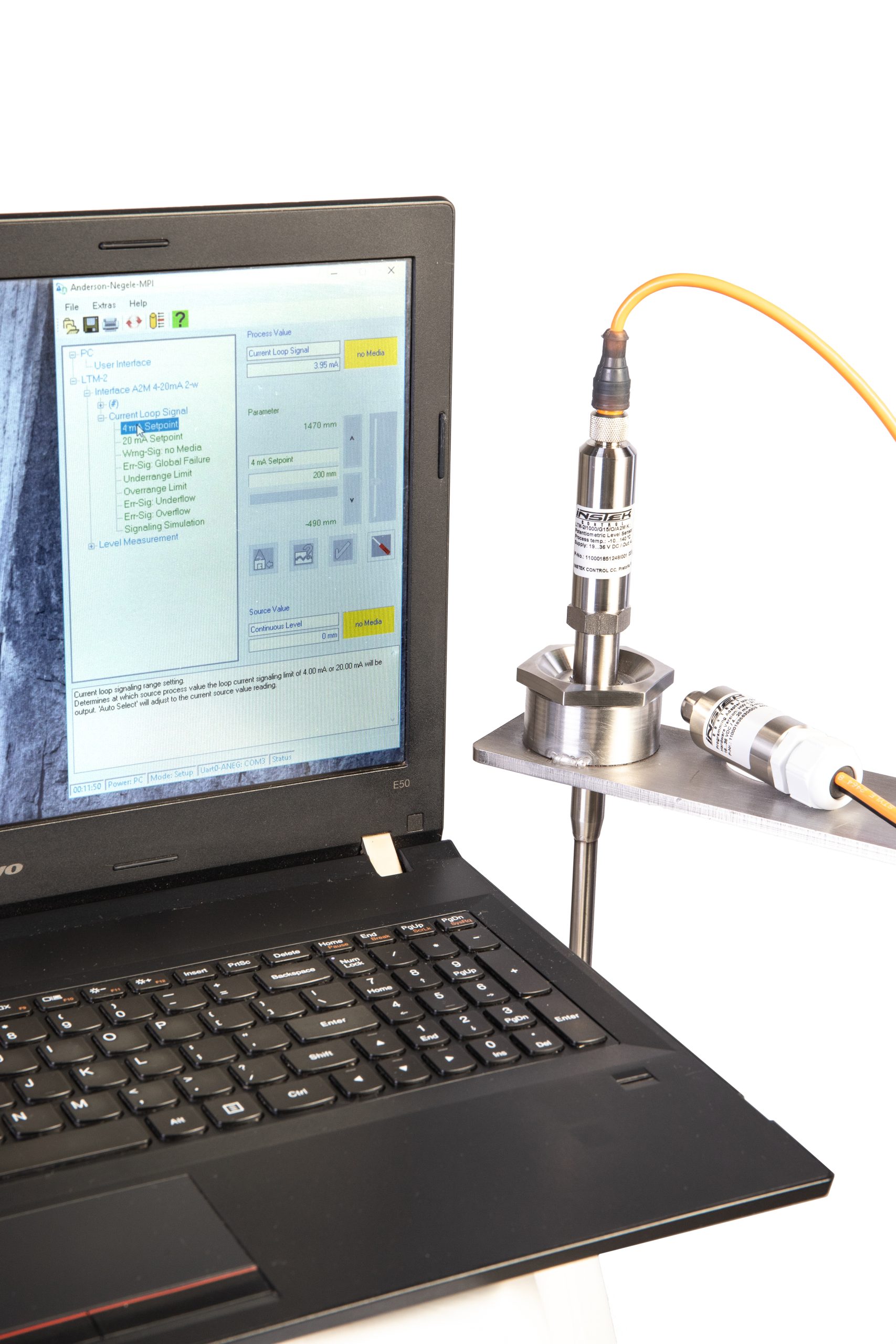
When shipped the full measurement range of the probe is active from the bottom of the probe to the top – calibration in place is required